Designing with Nature: Using Watercolor Flower Stem Clipart
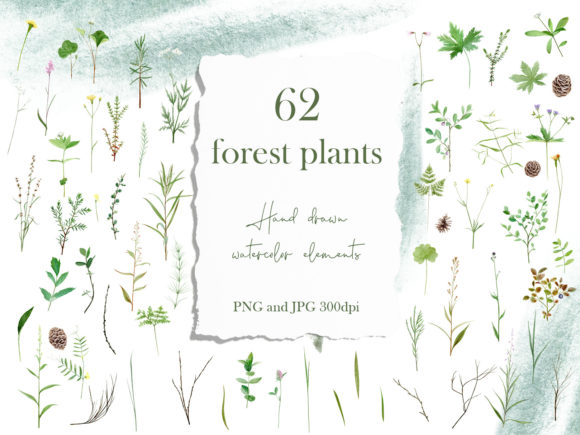
In a digital world saturated with crisp vectors and flat colors, there is a distinct warmth that comes from organic textures. When you are trying to bridge the gap between professional design and a personal, artistic touch, Watercolor Flower Stem Clipart becomes an invaluable asset. This collection is not just about botanical imagery; it is about bringing the fluidity and imperfection of hand-painted art into your commercial and personal projects. With 62 unique illustrations of wild forest plants, you have a comprehensive library of design assets that feel authentic and alive.
The Aesthetic Appeal of Hand-Painted Elements
The visual personality of this clipart collection lies in its "wild forest" theme. Unlike rigid, symmetrical floral vectors, these illustrations capture the movement of nature. You will notice the subtle bleed of watercolors, the gradients in the leaves, and the delicate stems that suggest a breeze. This style is incredibly versatile because it acts as a bridge between a script font or handwritten font and more structured typography like a sans serif font.
For designers and brand strategists, the appeal is in the details. When you are building a brand identity for a client in the wellness, eco-friendly, wedding, or beauty sectors, you need visuals that evoke calmness and creativity. These design assets provide that soft, approachable look without sacrificing the professionalism required for high-end packaging design or editorial design. The hand-drawn nature of the stems and leaves ensures that the final product looks curated and expensive, rather than generic.
Strategic Applications for Creators and Entrepreneurs
Understanding where to deploy these assets is just as important as the assets themselves. The versatility of this Watercolor Flower Stem Clipart collection allows it to shine across various mediums. Here is how different professionals can leverage this style:
- Web Design and Blogging: Use the floral elements as subtle background accents or as decorative borders for blog post titles. They help break up large blocks of text and guide the reader's eye, improving engagement without distracting from the content.
- Social Media Graphics: In the fast-scrolling environment of Instagram or Pinterest, organic textures stop the thumb. Overlaying these watercolor stems on photography can create a cohesive aesthetic for your grid, making your social media graphics look instantly recognizable.
- Packaging and Product Design: If you are a small business owner creating labels for candles, soaps, or artisanal foods, these illustrations provide the perfect "small batch" feel. They suggest that the product inside is crafted with care.
- Stationery and Invitations: For card making and party invitations, the mix-and-match capability of 62 elements is a game-changer. You can create unique compositions for every piece of stationery, ensuring no two cards look exactly alike.
- Logo Design: While a complex illustration isn't a logo itself, elements from this collection can serve as excellent accompaniments to a creative font during the branding phase, or even be stylized into a high-end monogram.
Integrating Clipart with Modern Typography
A common challenge in modern typography and layout design is balancing imagery with text. Watercolor Flower Stem Clipart offers a solution through "visual breathing room." Because the illustrations are semi-transparent and fluid, they can overlap with text or sit behind it to create depth.
When selecting a typeface to pair with these wild forest plants, consider the contrast. A bold serif font works beautifully for headlines, providing a strong anchor to the delicate, flowing lines of the watercolor stems. Conversely, a clean sans serif font is ideal for body copy, ensuring readability remains high even when the design gets busy with botanical elements.
For example, imagine a wedding invitation. You might use a romantic script font for the names, but place watercolor leaves underneath the text to create a shadow effect. This technique enhances the visual hierarchy of the design. The viewer's eye is drawn to the text, but the subconscious registers the artistic quality of the background, elevating the brand perception of the event or business.
Practical Guidance for Implementation
To get the most out of this collection, you need to think like a designer, not just a user. Here are practical tips for evaluating and using these design assets:
- Layering and Composition: Because these are PNG files with transparent backgrounds, they are perfect for layering. Don't just place a flower in the corner. Try layering stems behind text or tiling them to create a pattern. The collection is designed so elements "mix with each other," allowing you to build custom wreaths or borders.
- Color Adjustments: While the watercolor palette is beautiful, don't be afraid to adjust the hue or saturation to match a specific client's brand identity. A slight adjustment in the color curves can make a green forest stem match a corporate teal palette perfectly.
- Commercial Licensing: Always review the licensing terms. This specific collection is versatile for both personal and commercial use, making it a premium font (or asset) alternative for those on a budget. However, ensure you understand the limits regarding print-on-demand or resale of the raw files.
- Testing Readability: When using floral elements as a background for text, always squint test your design. If the text blurs into the flowers, you have a readability issue. Add a semi-transparent white shape behind the text or darken the clipart slightly to ensure your message is clear.
Maintaining Professionalism with Artistic Assets
There is a misconception that "artistic" or "hand-drawn" elements look unprofessional. In reality, the opposite is true when used correctly. High-quality Watercolor Flower Stem Clipart signals that a brand values aesthetics and attention to detail. It moves a design away from the cold, corporate feel of stock photography and toward a more human-centric approach.
For publishers and content creators, using these assets consistently helps build recognition. If every blog post or newsletter features a specific style of wild plant illustration, your audience begins to associate that visual style with your content. This consistency is key to building a loyal following. It transforms a simple PDF or a standard web page into a piece of editorial design.
Ultimately, this collection is about empowerment. It provides the raw materials—the "wild forest plants"—and invites you to be the architect. Whether you are designing a poster, a banner, or digital scrapbooking pages, the goal is to create something that feels personal. By combining these hand-painted elements with strong typography choices, you can produce work that is not only visually stunning but also strategically effective.